Fibroid care · UFE outcomes
Uterine Fibroid Embolization Reviews and Success Rates
A lighter period, less pelvic pressure and avoiding hysterectomy are different goals. See what patients reported in long-term studies and which results apply to your decision.
SoCal Interventional · Los Angeles & Orange County
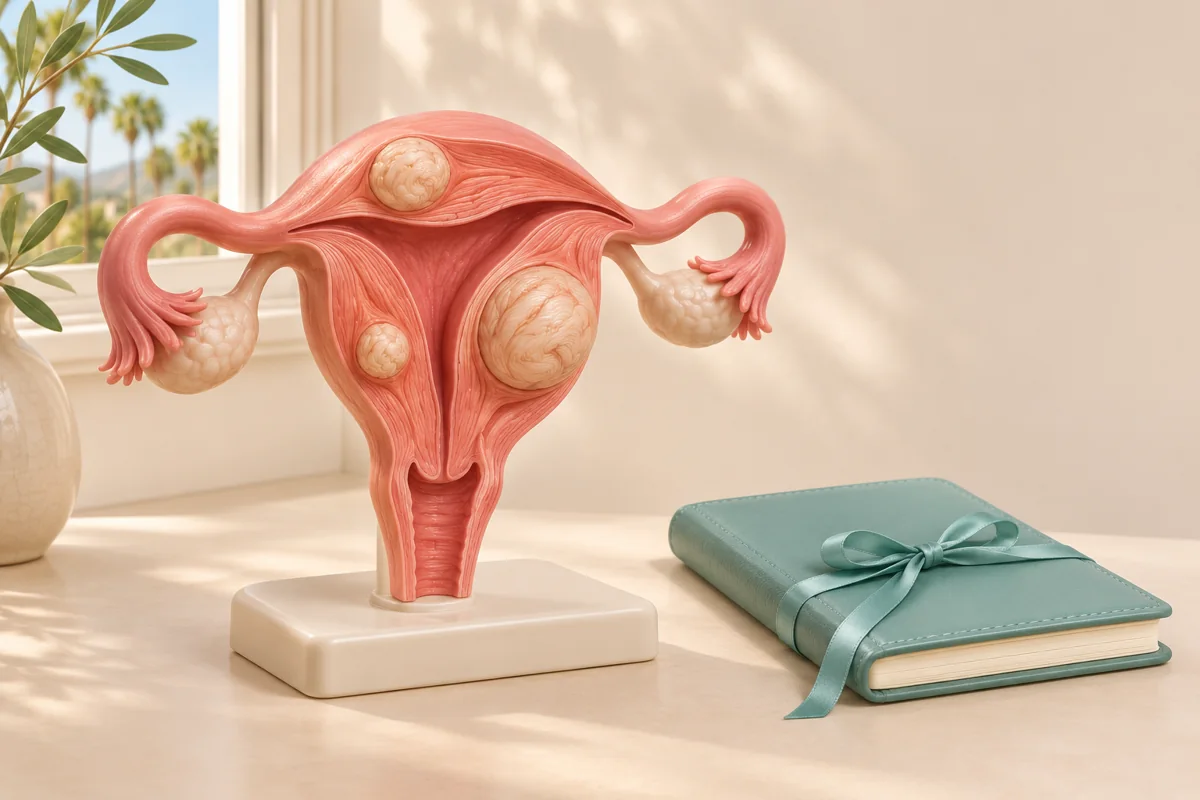
What is the success rate of uterine fibroid embolization (UFE)? The answer depends on what you want to change. In one randomized trial of patients eligible for hysterectomy, about two in three treated with embolization avoided hysterectomy over ten years. Lighter periods, less pressure, satisfaction and future pregnancy are separate outcomes with different evidence.
What to look for in a uterine fibroid embolization review
If heavy periods have shaped your days, look for a review that actually describes bleeding. Did the person stop waking to change protection? Did they still need iron treatment? A review about returning to work one week after UFE tells you something about recovery. It gives little information about bleeding six months later.
For pressure symptoms, look for the change the person noticed, such as fewer interruptions to urinate or less pelvic fullness. Check how long it had been since treatment and whether another condition could contribute. A review written on procedure day can describe how the team communicated, while a later account can describe how daily life changed.
Four meanings of a successful UFE
| When someone quotes a rate for… | Ask what was measured |
|---|---|
| Completing the procedure | Did the radiologist deliver particles to the intended vessels? Technical completion is measured on procedure day. |
| Symptom relief | Were periods lighter, pressure symptoms better, or a validated symptom score improved? How much change counted and at what time? |
| Satisfaction | Who answered the follow-up questionnaire? Someone can be satisfied with the choice even if they later need treatment. |
| Avoiding another procedure | Did the study count only hysterectomy, or also repeat embolization and myomectomy? How long were people followed? |
What do long-term studies show?
The EMMY trial enrolled people with symptomatic fibroids who were eligible for hysterectomy. Of 81 who underwent embolization, 28 (35%) had a hysterectomy over the next ten years. The other 53 (65%) avoided hysterectomy over that period. This particular outcome tells us how many underwent that operation. It leaves open how much any one person’s periods or pressure improved. EMMY ten-year trial results.
At ten years, 78% in the embolization group and 87% in the hysterectomy group reported being satisfied or very satisfied. Quality of life improved in both groups. These satisfaction results come from follow-up questionnaires. A person weighing a faster initial recovery against the chance of another procedure may value those outcomes differently. EMMY patient-reported outcomes.
The FEMME trial studied a different choice. It randomized 254 participants seeking to keep their uterus to embolization or myomectomy, surgery to remove fibroids. Both groups improved. Fibroid-related quality of life favored myomectomy at two years. At four years the difference was statistically uncertain, and the study detected no clear difference in bleeding scores between groups. FEMME trial report · Four-year bleeding results.
How do pregnancy plans change the decision?
UFE leaves the uterus in place. The small number of pregnancies in FEMME limits what the trial can tell someone trying to conceive. If having a child is a priority, tell your gynecologist and interventional radiologist before scheduling treatment. Ask how fibroid location, age and other fertility factors affect the choice, including whether myomectomy or a reproductive specialist consultation makes sense. FEMME pregnancy outcomes.
Decide what you and your clinician will track
Pick the symptom that matters most and record it before treatment. For bleeding, that might be overnight changes, days of heavy flow, or a blood count if you have anemia. For pressure, record how often discomfort interrupts sleep or daily activities. Agree on when to check progress, how to reach the team if symptoms worsen, and what to consider if your original goal is still out of reach.
Common questions
Does a smaller fibroid on MRI mean UFE worked for me?
Imaging is one measure. Your clinician can also assess whether bleeding, pressure or the activities you wanted to regain have improved and whether additional care is needed.
How often did patients need hysterectomy after embolization in EMMY?
Twenty-eight of 81 treated patients underwent hysterectomy over ten years. Participants were already eligible for hysterectomy at enrollment, so the figure applies to that study population.
Can heavy periods improve even if I still have fibroids?
Yes. Embolization treats the blood supply to fibroids, which can remain visible afterward. Symptoms and their effect on daily life help your care team judge the result.
Is there a success rate for pregnancy after UFE?
A personal chance of pregnancy cannot be estimated reliably from these trials. Discuss your reproductive goals, fibroid anatomy and alternatives with your gynecologist and interventional radiologist.