Prostate health · PAE side effects
PAE Side Effects and When to Call
Burning and urgency can occur after PAE. Being unable to pass urine needs emergency care. Use this symptom guide alongside your own discharge instructions.
SoCal Interventional · Los Angeles & Orange County
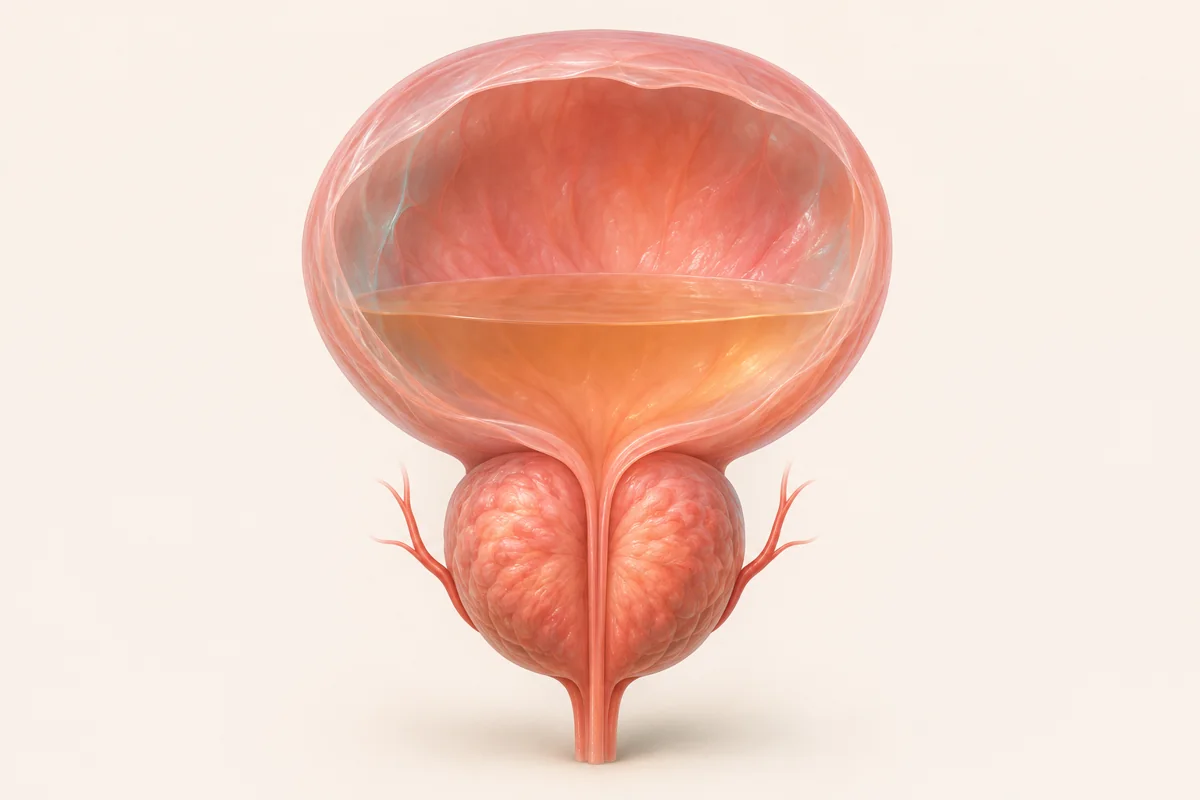
What side effects can you expect after prostate artery embolization (PAE)? Burning when you urinate, more frequent bathroom trips, a little blood in the urine and tenderness where the catheter went in can occur early. Most should ease. If you suddenly cannot pass urine, get emergency medical care now.
After PAE, which symptoms need attention?
| What you notice | What to do |
|---|---|
| Suddenly unable to pass urine, especially with a full or painful lower abdomen | Seek emergency care now. A clinician may need to drain the bladder with a catheter. |
| Heavy bleeding from the wrist or groin puncture that will not stop, or fainting with bleeding | Apply firm direct pressure to a bleeding puncture site and call 911. |
| Fever of 100.4°F (38°C) or higher, shaking chills, worsening pelvic pain or persistent vomiting | Call your treating team promptly. If you feel seriously ill or cannot obtain timely care, seek urgent in-person assessment. |
| Increasing redness or swelling at the puncture, a growing painful bruise, or more blood or clots in the urine | Contact your treating team promptly. If clots stop you from urinating, go to an emergency department. |
| Mild burning or urgency while still passing urine, or a small stable bruise | Follow your discharge plan and watch the trend. Call if symptoms worsen or last longer than your team expected. |
Your discharge sheet may include additional instructions for your medical history and access site. Keep its daytime and after-hours numbers together. Memorial Sloan Kettering PAE instructions · NIDDK guidance on acute urinary retention.
Why can urination feel worse at first?
PAE reduces blood flow to part of an enlarged prostate. Inflammation as the treated tissue responds can briefly increase urinary discomfort before the prostate shrinks. For example, Memorial Sloan Kettering describes burning for up to about a week and extra bathroom trips for roughly seven to ten days. These are examples of an early course. A worsening change deserves a call even within that window.
When you call, describe whether you can pass a stream, when you last urinated, whether you see clots, your temperature and whether the pain is getting worse. A person passing small amounts frequently may still have trouble emptying the bladder. Your team can decide whether to check a urine sample or measure how much urine remains after you go. PAE recovery timeline.
What less common complications should I ask about?
A urinary infection, temporary urinary retention or bleeding where the artery was entered may need treatment. Rarely, particles can reach an unintended area such as the bladder or rectum. The interventional radiologist maps the vessels before releasing particles. Ask how your anatomy, kidney function, contrast history and medicines affect your plan. University College London Hospitals patient guide.
Can PAE affect ejaculation or erections?
Ejaculation and erection are different outcomes. Some people report less semen or a change in ejaculation after PAE. A little blood in the semen can also occur early. Tell your clinician which changes matter to you, including fertility, and ask how PAE and the alternatives compare for your situation. Prospective research on ejaculatory changes · MSK aftercare information.
Three details to get in writing before you go home
- Which symptoms should prompt a call, where to go in an emergency and how to reach someone after hours.
- Which medicines to take and when, including your prostate medicines and any blood thinner. Ask the prescribing team for individual instructions.
- Who will check bladder emptying if needed, when any existing urinary catheter will be reviewed and when to reassess symptom relief.
Common questions
Is a little blood in the urine expected after PAE?
Light blood staining can appear in the first few days. Contact the treating team for increasing bleeding or clots. Seek emergency care if you suddenly cannot urinate.
What if I feel the urge but no urine comes out?
A sudden inability to pass urine can be acute urinary retention. Seek emergency assessment right away, especially with a full, painful lower abdomen.
Should I wait for a routine appointment if I develop a fever?
Call the treating team promptly for a temperature of 100.4°F (38°C) or higher, shaking chills or worsening pain. Follow the instructions supplied at discharge.
Should I stop my prostate medicine if I am urinating more often?
Use the medication schedule your treating clinician gave you. Ask the team before changing a dose or stopping a prostate medicine or blood thinner.