Editorially updated July 20, 2026. Prepared by SoCal Interventional using the clinical sources listed below. This article provides general education and does not diagnose the cause of urinary symptoms.
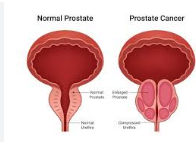
Benign prostatic hyperplasia (BPH) means noncancerous enlargement of the prostate. Because the prostate surrounds part of the urethra, enlargement and changes in muscle tone can interfere with urinary flow. Prostate size and symptom severity do not always match: a larger prostate may cause few symptoms, while a smaller gland or bladder problem may cause substantial difficulty.
The NIDDK overview of BPH notes that evaluation should consider symptoms, quality of life, and possible complications rather than assuming every urinary change is a normal part of aging.
Prostate artery embolization (PAE) is offered at our Fountain Valley office in Orange County as well as in Los Angeles and Tarzana.
Common enlarged-prostate symptoms
Symptoms often include:
- difficulty starting urination;
- a weak, slow, or interrupted stream;
- straining to urinate;
- dribbling after urination;
- feeling that the bladder has not emptied;
- urgency or frequent urination;
- waking repeatedly at night to urinate.
These are lower urinary tract symptoms, not a diagnosis. The pattern can help distinguish predominantly obstructive symptoms from storage symptoms, but testing may be needed to understand the contribution of the prostate and bladder.
Other conditions can look like BPH
Urinary symptoms may also occur with infection, prostatitis, urethral stricture, bladder overactivity or weakness, stones, diabetes, neurologic disease, medication effects, sleep disorders, bladder cancer, or prostate cancer. BPH is not cancer, but the two conditions can coexist.
A clinician may therefore ask about pain, fever, blood in the urine, neurologic symptoms, prior pelvic procedures, medication use, fluid intake, and the timing of symptoms. Do not rely on symptom checklists alone to exclude a more serious cause.
Warning signs that should not wait
Seek prompt medical attention for complete inability to urinate, fever or chills with urinary symptoms, significant blood or clots in the urine, severe pelvic or flank pain, confusion, weakness, or a rapidly worsening condition. Acute urinary retention may require immediate bladder drainage and evaluation.
What evaluation may include
A BPH evaluation commonly includes medical history, medication review, symptom scoring, physical examination, and urinalysis. Depending on the situation, clinicians may consider prostate-specific antigen testing, prostate imaging, measurement of urine remaining after voiding, urinary-flow testing, cystoscopy, or urodynamic studies.
The AUA BPH guideline emphasizes identifying complications and using the evaluation to guide shared treatment decisions.
When treatment is considered
Mild symptoms without complications may be monitored. More bothersome symptoms may be treated with medication or a procedure. Recurrent retention, infection, bladder stones, bleeding, or effects on the kidneys can change the urgency and type of treatment.
Options include alpha blockers, 5-alpha-reductase inhibitors, tadalafil, selected combinations, transurethral or laser procedures, water-vapor therapy, prostatic urethral lift, aquablation, and other treatments. The appropriate option depends on diagnosis, prostate anatomy, bladder function, other conditions, and goals.
Prostate artery embolization (PAE) may be evaluated for selected patients with bothersome symptoms attributed to BPH. It is an image-guided catheter procedure that reduces blood flow to targeted prostate tissue. Response varies, and PAE is not a substitute for complete diagnostic evaluation.
Preparing for an appointment
Bring a medication list, prior PSA and imaging results, procedure reports, and notes about symptom frequency. It may help to complete a symptom questionnaire and record nighttime trips to the bathroom. Ask what evidence links the symptoms to BPH and which treatment tradeoffs matter most for your anatomy and health.
Read the dedicated guide to BPH symptoms and when to seek care or the overview of BPH treatment options.
Sources
To request a nonurgent evaluation in Van Nuys, Tarzana, or Fountain Valley, call (310) 929-0026.
Medical content reviewed by Nathanael Sabbah, MD, interventional radiologist. Last reviewed: October 2026.
Would a consultation help clarify your options?
Bring your symptoms, prior treatment, imaging, and goals. We will discuss whether an image-guided procedure—or another path—fits your situation.
Request an appointment