PAE Treatment for BPH Symptoms
BPH treatment option · Van Nuys + Tarzana + Irvine
Prostate artery embolization, without the sales pitch.
PAE is a catheter-based option for selected men with urinary symptoms attributed to an enlarged prostate. It may improve symptoms while avoiding surgery through the prostate—but it is not automatically the best option.
No prostate incisionOutpatient in many casesResults and recovery vary
The procedure in plain language
How PAE works
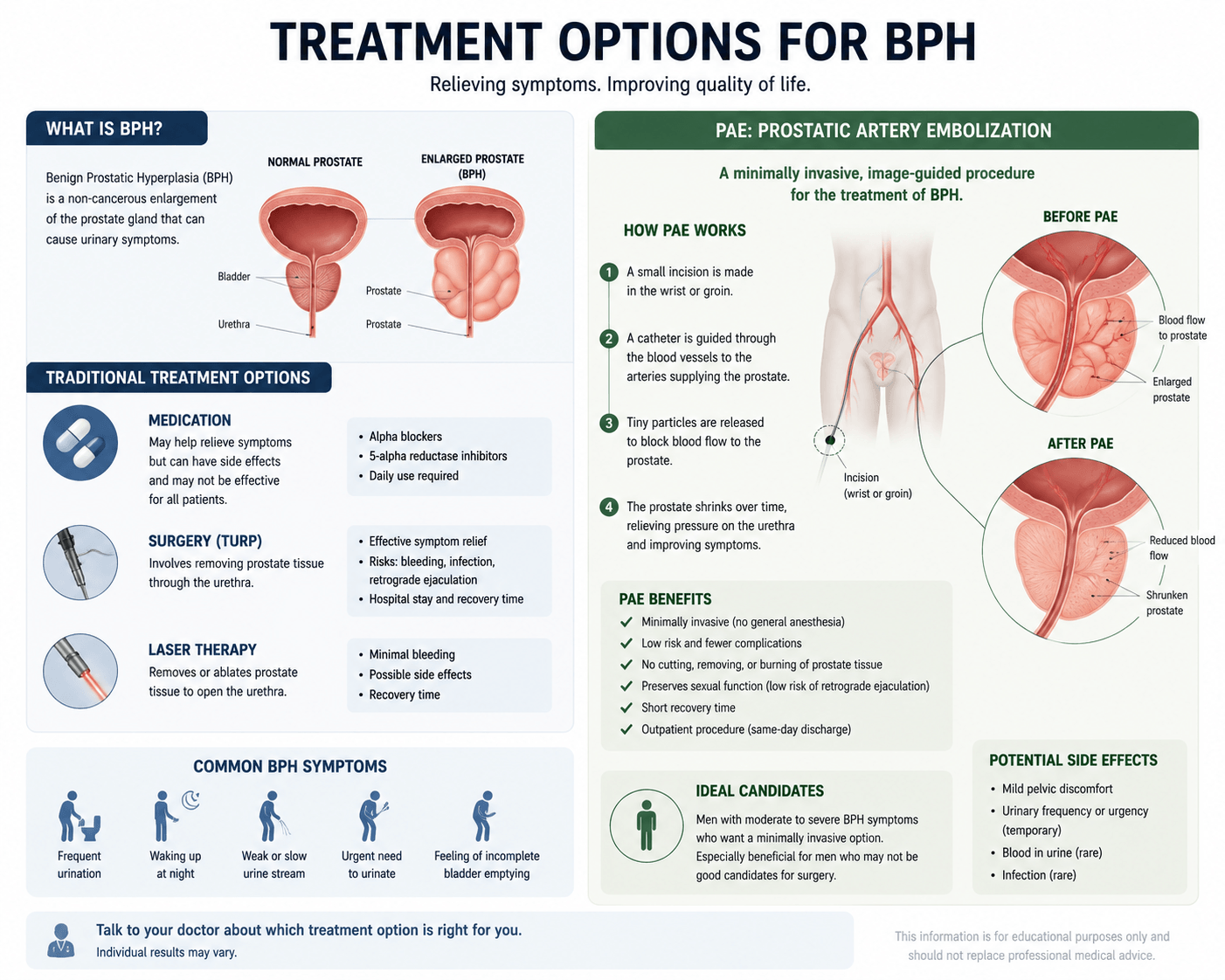
Using X-ray guidance, an interventional radiologist advances a small catheter—often from the wrist or groin—to arteries supplying the prostate. Tiny particles reduce selected blood flow. The treated tissue may shrink gradually, reducing pressure on the urethra.
- The prostate is not removed and there is no incision through it.
- Vascular anatomy differs, so pre-procedure imaging and careful mapping matter.
- Improvement, when it occurs, is usually gradual rather than immediate.
- Some men improve only partly or later need medication, repeat embolization, or another procedure.
Important first step
Urinary symptoms do not prove BPH.
Infection, bladder dysfunction, urethral narrowing, medication effects, prostate cancer, and other conditions can cause similar symptoms. A clinical evaluation should identify the likely cause before a procedure is considered. Review symptoms and warning signsIndividual selection
Who may—or may not—be a fit
Candidacy depends on symptom burden, prostate anatomy, prior treatment, blood-vessel anatomy, kidney function, medications, other diagnoses, and personal priorities.
PAE may be worth discussing when
- Bothersome symptoms are reasonably attributed to BPH.
- Medication has not helped enough, is poorly tolerated, or is not preferred.
- You want to compare a catheter procedure with urologic operations.
- A coordinated urology and interventional-radiology review supports candidacy.
Another path may be better when
- Symptoms are caused by another condition or need urgent evaluation.
- Anatomy or arterial disease makes safe, effective targeting unlikely.
- You prioritize the strongest possible improvement in urinary flow.
- Your medical history or imaging suggests a different therapy.
Shared decision-making matters. A urologist can help evaluate bladder and prostate causes and compare operations; an interventional radiologist can assess arterial anatomy, technical feasibility, and embolization-specific risks.
Treatment trade-offs
Compare the decision—not just the recovery.
The best option is the one that fits your diagnosis and priorities. This overview is intentionally general; specific medications and operations have different profiles.
| Option | Potential role | Important limitation |
|---|---|---|
| Observation / lifestyle measures | Reasonable for some mild, stable symptoms with monitoring. | Does not reliably relieve more burdensome obstruction. |
| Medication | Often first-line; several drug classes may improve symptoms or reduce progression risk. | Side effects, daily use, and incomplete relief are possible. |
| PAE | Catheter-based treatment without removing prostate tissue; outpatient in many cases. | Response may be less than with some operations; repeat treatment can be needed. |
| Urologic procedures | Multiple minimally invasive and surgical choices; some provide stronger flow improvement. | Anesthesia, urinary, bleeding, sexual, or recovery trade-offs vary by procedure. |
Recovery and safety
What should be discussed before PAE
After the procedure
Discharge timing, activity restrictions, catheter-site care, and medication instructions depend on access site, sedation, medical history, and how the procedure went. Pelvic discomfort, urinary frequency or burning, fatigue, and a temporary symptom flare may occur. Improvement is usually assessed over weeks to months. Follow-up helps determine whether symptoms, urinary flow, and bladder emptying are moving in the right direction.Potential risks
- Bruising, bleeding, or artery injury at the access site
- Pelvic discomfort, urinary retention, or urinary-tract infection
- Contrast reaction or kidney injury
- Radiation exposure
- Rare non-target embolization affecting nearby tissue
- Limited improvement, recurrence, or later treatment
Sexual outcomes require nuance. PAE avoids cutting or removing prostate tissue, but no procedure can promise preservation of ejaculation, erections, or fertility. Discuss your priorities and baseline function directly with the treating team.
What current evidence says
Benefits are real for some men; comparisons still matter.
Randomized evidence supports symptom improvement from PAE, while longer-term comparative data show that transurethral resection of the prostate (TURP) can produce stronger objective urinary outcomes.
PAE versus TURP at five years
A randomized comparison found that both treatments improved symptoms, but PAE was less effective than TURP at five years; urinary flow and post-void residual favored TURP. Substantial follow-up loss is an important limitation. Read the five-year trial (PubMed)2026 professional guidance
The Society of Interventional Radiology released updated practice guidance for PAE in June 2026. Guidance supports structured patient selection and evidence-informed practice; it does not replace individual evaluation. Read the SIR announcementSelected references
- Abt D, et al. PAE versus sham for severe lower urinary tract symptoms. Eur Urol. 2020. PubMed
- Müllhaupt G, et al. PAE versus TURP: five-year randomized outcomes. Eur Urol. 2024. PubMed
- American Urological Association. Management of lower urinary tract symptoms attributed to BPH: 2023 amendment. Guideline PDF
- Society of Interventional Radiology. PAE practice guidance announcement, June 2026. SIR
Medical content reviewed July 2026. Individual outcomes vary. Educational information only.
Common questions
PAE FAQ
How soon might urinary symptoms improve?
Some men notice change within weeks, while others improve over several months as treated tissue responds. Early symptoms can temporarily worsen, and some patients have limited improvement.Does PAE prevent future prostate surgery?
No. PAE may provide durable relief for some patients, but medication, repeat embolization, or a urologic procedure may still be needed later.Is PAE appropriate for a very large prostate?
Prostate size is only one factor. Symptom cause, vascular anatomy, bladder function, medical history, prior treatment, and goals all influence candidacy.Will insurance cover PAE?
Coverage varies by plan and indication. The office can help verify benefits, but authorization is not a guarantee of payment.Is PAE the right trade-off for you?
Bring your symptom history, medication list, prior imaging, and urology records for an individualized review.How Prostate Enlargement Impacts Daily Urinary Function
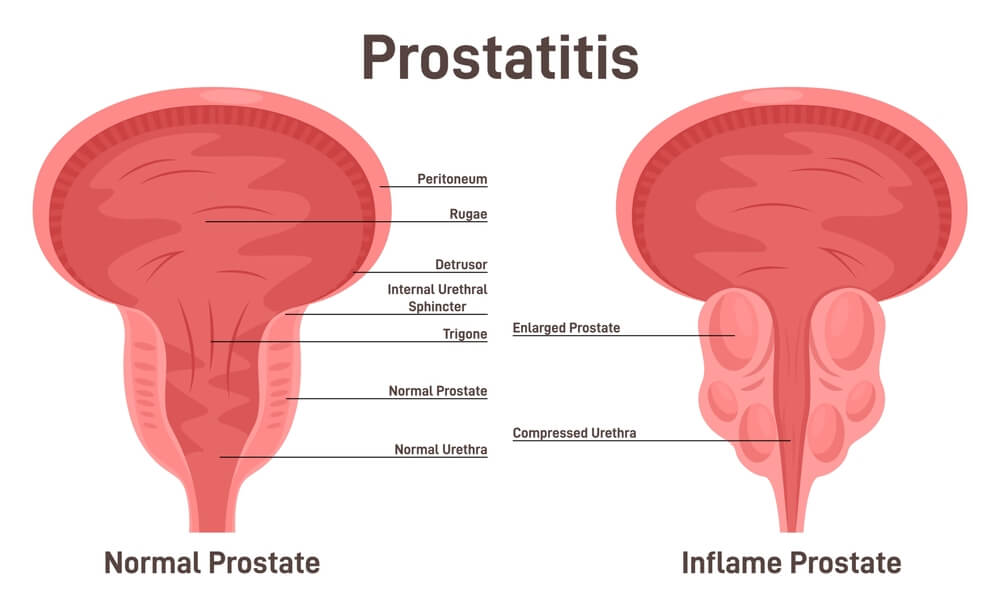
The prostate surrounds part of the urethra. When the gland enlarges, it can narrow the urinary passage and interfere with bladder emptying.
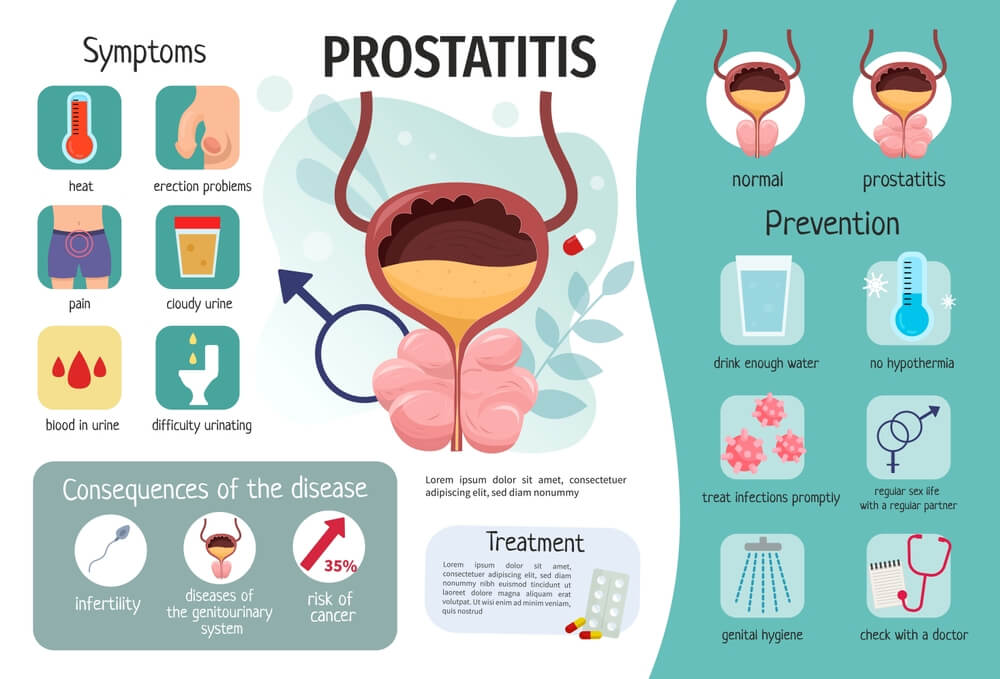
Men may notice frequent urination, urgency, difficulty starting the stream, weak flow, straining, or the feeling that the bladder is not empty. These symptoms can affect sleep and daily activities, but they do not by themselves confirm BPH. A medical evaluation can help identify the cause and compare medication, PAE, surgery, and other options.
How Prostate Artery Embolization Works
Prostate artery embolization is a minimally invasive procedure that reduces blood flow to selected areas of an enlarged prostate. The treated tissue may shrink gradually, which can reduce pressure on the urethra and improve urinary symptoms in appropriately selected patients.
Using image guidance, an interventional radiologist advances a small catheter through the blood vessels to the arteries supplying the prostate. Microscopic particles are delivered to reduce blood flow. Recovery, symptom improvement, and the amount of prostate shrinkage vary by patient.
Why Consider PAE?
PAE treats the blood supply to the enlarged prostate rather than removing prostate tissue. It generally avoids a surgical incision and may offer a shorter recovery for some patients. However, symptom improvement may be less than with certain surgical procedures, and repeat treatment may sometimes be needed.
The best option depends on symptom severity, prostate anatomy, other health conditions, medications, and personal priorities. A shared discussion with an interventional radiologist and, when appropriate, a urologist can help compare PAE with medication and surgical treatment.
Advanced Image-Guided Care for Prostate Health
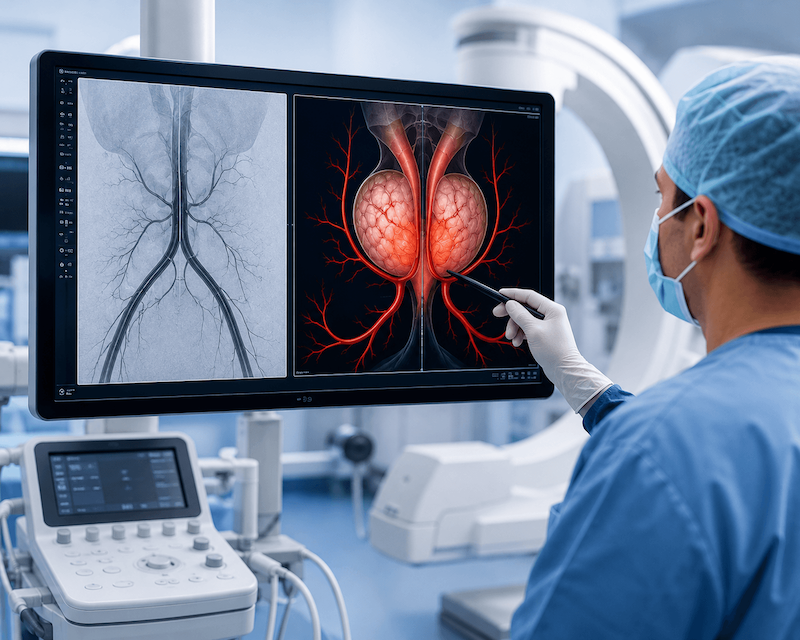
Fluoroscopy, angiography, and—in selected cases—cone-beam CT help the physician identify the arteries supplying the prostate and plan particle delivery. Vascular anatomy differs from patient to patient, so careful imaging and technique are important.
PAE is performed through a small catheter rather than an incision in the prostate. Candidacy, technical complexity, recovery, and clinical outcomes vary. Your consultation should include a discussion of benefits, risks, alternatives, and the possibility of additional treatment.
Expertise and Experience of Dr Nathanael Sabbah
Dr. Nathanael Sabbah is board certified in Diagnostic Radiology, Interventional Radiology, and Nuclear Medicine. His practice includes image-guided procedures such as prostate artery embolization in Van Nuys, Tarzana, and Irvine.
His approach emphasizes careful patient evaluation, clear communication, and individualized treatment planning. During consultation, patients can review their symptoms, imaging, treatment goals, expected recovery, risks, and alternatives.
Comprehensive Prostate Care at Socal Interventional
At SoCal Interventional, prostate care begins with a detailed evaluation and continues through follow-up monitoring. Recommendations are based on each patient’s symptoms, anatomy, health history, and goals.
Our evaluation may include:
- Review of urinary symptoms and prior treatment
- Review of prostate imaging and relevant laboratory results
- Discussion of PAE, medication, surgical options, and observation
- Individualized treatment planning
- Follow-up to assess recovery and symptom response
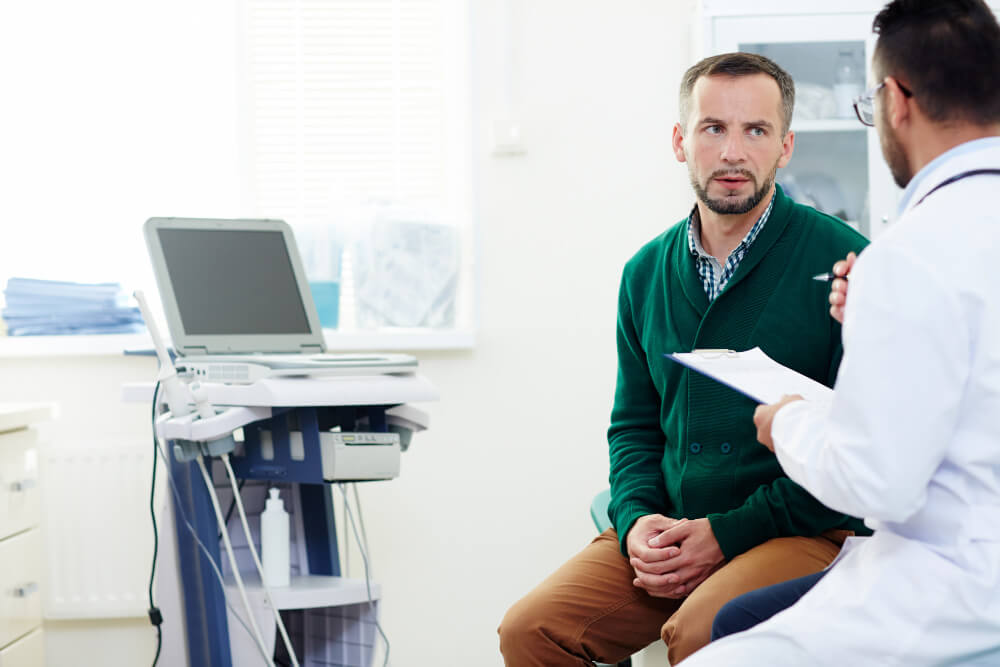
Who May Benefit from Prostate Artery Embolization?
PAE may be considered for men with bothersome urinary symptoms attributed to BPH, particularly when medication has not provided adequate relief or when a patient wants to compare minimally invasive and surgical options. It is not appropriate for every patient, and other causes of urinary symptoms should be evaluated.
Potential risks include bruising or bleeding at the catheter site, pelvic discomfort, temporary worsening of urinary symptoms, urinary tract infection, urinary retention, contrast-related complications, and rare non-target embolization. Your physician will review your individual risk profile and alternatives before treatment.
Expected Results and Symptom Improvement
Many appropriately selected patients report improvement in urinary symptoms after PAE, but the timing and degree of improvement vary. Some patients may have limited improvement or may need medication, repeat embolization, or another procedure later.
For professional guidance and supporting evidence, review the Society of Interventional Radiology multisociety statement and the American Urological Association BPH guideline. Individual results vary.
Schedule a Consultation
If urinary symptoms are affecting your sleep or daily activities, a consultation can help determine the cause and compare available treatments. SoCal Interventional evaluates patients for prostate artery embolization in Van Nuys, Tarzana, and Irvine.
Call (310) 929-0026 or use our contact form to request an appointment. A consultation does not guarantee that PAE will be recommended; candidacy depends on your medical history, symptoms, imaging, and treatment goals.
What Our Guests Say
Posted on GoogleTrustindex verifies that the original source of the review is Google. I would like to express my heartfelt gratitude to Dr. Sabbah and his wonderful secretary, Joanne, for the exceptional care they provided throughout my non-invasive knee procedure and recovery. Dr. Sabbah is not only an outstanding physician but also a genuinely compassionate and caring doctor. He personally called to check on me after my procedure, asking how I was feeling, whether I was experiencing any pain, and if I had any concerns. His dedication to his patients and commitment to providing quality care truly set him apart. Joanne has also been incredible. She is always professional, precise, and remarkably responsive. Whenever I had questions or needed assistance during my healing process, she responded promptly and made everything easy and stress-free. Together, Dr. Sabbah and Joanne make an exceptional team. Their kindness, attentiveness, and genuine concern for their patients are deeply appreciated. I feel truly blessed to have received such outstanding medical care. Thank you both for making my recovery a positive and reassuring experience. May God continue to bless you as you care for so many patients with excellence and compassion.Posted on GoogleTrustindex verifies that the original source of the review is Google. I had my Prostatic Artery Embolization (PAE) about two months ago with Dr. Sabbah, and my experience has been excellent. The procedure itself was much easier than I expected. Compared to other treatments and surgeries for an enlarged prostate, I believe PAE is one of the least painful and least invasive options. Dr. Sabbah is an outstanding physician with tremendous experience. From the first consultation through the procedure and follow-up, I felt I was in very capable hands. I also want to thank the entire clinical team. Everyone was professional, friendly, and supportive. For Russian-speaking patients, it’s especially helpful that there are staff members who can communicate in Russian, making the whole process much more comfortable. Thank you, Dr. Sabbah and your team. I hope the results last for many years, and I would highly recommend you to anyone considering PAE.Posted on GoogleTrustindex verifies that the original source of the review is Google. FANTASTIC experience all around. Staff is very helpful and attentive prior to, during and after the procedure. Valeria, Automn and Iris, along with Dr. Sabbah are truly amazing in explaining what the procedure is about, what to expect and what I need to do post procedure. Dr. Sabbabh personally called twice post procedure to ensure there have been no complications, which there were NONE. A very smooth process ALL AROUND. Thanks Dr. Sabbah and the overall team. Your attention was much appreciated.Posted on GoogleTrustindex verifies that the original source of the review is Google. You can clearly tell that the doctor is highly knowledgeable and professional. The team is excellent, the environment is very clean, and most importantly, everyone makes a genuine effort to ensure patients feel calm and stress-free.Posted on GoogleTrustindex verifies that the original source of the review is Google. I have been dealing with BPH for 6 years using Flomax. Signs of early bladder stress damage made it necessary to take next steps. I did not want to go with the traditional "roto-rooter" procedures. I had researched PAE for 6 years. I had difficulty finding an Interventional Radiologist in my home state. Dr. Sabbah was a Blessing from God. He made it so easy for me to consult with him, he set up the procedure promptly, accommodated my travel schedule, and artfully performed my procedure on a challengingly smallish prostate when others would not even consult with me. His entire staff were caring and supportive. I do not have sufficient words to express my appreciation for him and his entire staff.Posted on GoogleTrustindex verifies that the original source of the review is Google. Dr Sabbah and his staff are both friendly and professional, and more to the point, the man made the point of checking with me personally the day after the procedure and made himself available personally over the holiday weekend in case I needed help. So far the procedures results have been great in this first week and a half. I was walking around the same day of the procedure without a catheter and after the first couple of days the swelling started to come down. By the end of the week, my prostate felt normal with no discomfort.... a far cry from what it would have been if I had elected to do a traditional T U R P. So far I have seen that all three major functions of my prostate have been retained which means that 1). I have bladder control 2) I have the ability to have an erection 3) I have an ejaculation all of those things are risk factors with a traditional T U R P. In the next few months my prostate will likely shrink significantly giving me the kind of uninterrupted sleep that I used to enjoy in my 30s let alone having coffee again without without consequences. Lastly and most importantly during the procedure, my left side was more difficult to maneuver to get into and in order to save me the second procedure trip, Dr. Sabbah worked extra hard and took the extra time to make sure that he could take care of that side as well on the same visit. I'm thrilled with the outcome and the doctor and his staff great job I highly recommend him MichaelPosted on GoogleTrustindex verifies that the original source of the review is Google. Here is what I wrote to Dr. Sabbah: "Thank YOU for your wisdom, skills, and the great support team. Valaria was a total wonder. One great concern about medical procedures/hospitalization is being heard, getting responses that are helpful AND timely. Valaria took care of me like I was her father! And so did you, and I appreciate that deeply. I can't say that about the front desk staff, but I had a good feeling after our initial meeting, and I'm glad to say I was right. After the procedure, I said to my friend that I would hope that ANY/EVERY procedure I would ever need would be done by you and Valaria!!!! When my family members were in their last health battles, both in Boston and in Santa Barbara, none of them got care that you gave me. I know this, because I was there as their advocate. So, deep thanks! You are a rare gem!" I admit I was nervous before the surgery, but Dr. Sabbah and Valaria were so professional and positive, that my fears were greatly allayed. I had asked about topical lidocaine so that the entry point(s) would not be painful to me. They both said yes. Consequently, there was no pain during the prodecure. Every time I texted Dr. Sabbah, he responded with a detailed answer to all my questions almost immediately, both after hours and on weekends! I sent him photos of the surgery site and he assured me that it looked perfect and not to worry about a thing. I wish Dr. Sabbah was a general surgeon and family practitioner. I don't know if I will ever get medical care like this again!Posted on GoogleTrustindex verifies that the original source of the review is Google. ⭐️⭐️⭐️⭐️⭐️ I had an excellent experience with this clinic. The doctor performed my PAE procedure with exceptional skill and professionalism. The environment was clean, organized, and calming. The staff were not only friendly and welcoming but also highly educated and attentive throughout my visit. I’m truly impressed—five stars all the way!Posted on GoogleTrustindex verifies that the original source of the review is Google. I had A PAE done with Dr. Sabbah he and his staff very professional and proactive. His genuine interest is amazing. I give them 5 stars
Frequently Asked Questions
PAE is used to treat urinary symptoms caused by benign prostatic hyperplasia (BPH).
Symptom improvement typically occurs gradually over several weeks following treatment.
Yes. PAE has a strong safety record when performed by an experienced specialist.
PAE is designed to preserve normal prostate and sexual function.
Patients searching for Enlarged Prostate Treatment Near Me in Van Nuys, Tarzana & Irvine, CA can contact Socal Interventional for expert evaluation.
Areas We Serve:
People from Beverly Hills, Pasadena, Santa Monica, and greater Los Angeles can begin with our Los Angeles PAE guide. For Encino, Calabasas, Woodland Hills, Thousand Oaks, and the western San Fernando Valley, see PAE care in Tarzana. For Sherman Oaks, Studio City, Burbank, Glendale, Reseda, and the central San Fernando Valley, see PAE care in Van Nuys. Patients traveling from Ventura or outside the primary service area should call before traveling to confirm the appropriate office and required records. For Irvine, Newport Beach, Costa Mesa, Tustin, Santa Ana, Orange, Anaheim, Laguna Hills, Mission Viejo, Lake Forest, Huntington Beach, and nearby Orange County communities, see PAE care in Irvine.
PAE Care in Los Angeles and the San Fernando Valley
Looking for prostate artery embolization near you in Los Angeles? Start with the Los Angeles PAE guide. SoCal Interventional serves people from Beverly Hills, Encino, Sherman Oaks, Studio City, Reseda, Woodland Hills and communities across the San Fernando Valley from the Van Nuys and Tarzana offices. Irvine remains available for Orange County.
- PAE in Van Nuys — Los Angeles
15211 Vanowen Street, Suite 305
Van Nuys, CA 91405 - PAE in Tarzana — San Fernando Valley
18370 Burbank Blvd, 5th Floor
Tarzana, CA 91356 - PAE in Irvine — Orange County
16100 Sand Canyon Avenue, Suite 130
Irvine, CA 92618
Call (310) 929-0026 to confirm the appropriate location and request a consultation.
Request Appointment
Contact Information
- 15211 Vanowen St, Suite 305, Van Nuys, CA 91405
- 18370 Burbank Blvd, 5th Floor, Tarzana, CA 91356
- 16100 Sand Canyon Ave, Suite 130 Irvine, CA 92618
- (310) 929-0026
- info@uroir.com
- Monday - Friday: 8:00 AM - 5:00 PM
Insurance Information
We accept most PPO plans, Medicare, self-pay, and some IPA plans.
Please contact our office to verify coverage.