
GAE for Knee Osteoarthritis Pain
Knee osteoarthritis option · Van Nuys + Tarzana + Irvine
GAE for knee pain: promising for some, still evolving.
Genicular artery embolization is a minimally invasive procedure intended to reduce selected abnormal blood flow associated with an inflamed knee lining. It does not regrow cartilage or cure osteoarthritis—and sham-controlled studies have reported mixed results.
Diagnosis and imaging firstNon-surgical catheter procedurePain relief is not guaranteed
The concept
What GAE is designed to do
Knee osteoarthritis affects cartilage, bone, and the joint lining. In some painful knees, synovial inflammation is associated with increased small-vessel blood flow. GAE uses angiography to identify selected genicular branches and deliver microscopic particles with the goal of reducing that hypervascularity.
- A small catheter is introduced through an artery, often at the wrist or groin.
- Angiography maps vessels near the painful area.
- Particles are delivered selectively while the physician works to avoid skin, nerve, and other non-target branches.
- The joint is not removed, replaced, or structurally repaired.
What GAE cannot do:
GAE does not rebuild cartilage, correct major alignment problems, stabilize an unstable knee, treat infection, or address every source of leg pain. The right diagnosis is essential.
Selection before intervention
Who may be considered
GAE may be discussed for selected adults with imaging-confirmed knee osteoarthritis and persistent symptoms despite a well-delivered conservative plan. There is no single symptom or X-ray grade that proves candidacy.
Confirm the diagnosis
History, examination, and imaging should support osteoarthritis as the main pain generator. Referred pain, fracture, infection, inflammatory arthritis, and other causes need appropriate evaluation.Review prior care
Physical therapy, appropriate exercise, weight management when relevant, medication, and injections may be considered before GAE depending on the individual.Assess procedure risk
Vascular anatomy, kidney function, contrast allergy, skin circulation, medications, and planned orthopedic care influence whether embolization is reasonable.Coordination can improve the decision. Review with orthopedics, sports medicine, rheumatology, or primary care may be appropriate, especially when the diagnosis or treatment sequence is uncertain.
A broader knee plan
GAE is one possible tool—not a replacement for comprehensive care.
Non-procedural and injection options
- Individualized strengthening, mobility, and activity modification
- Weight management when relevant to symptoms and health goals
- Topical or oral medication when medically appropriate
- Bracing or assistive devices for selected mechanical problems
- Injections, with choice and expected duration discussed honestly
Orthopedic procedures
- Arthroplasty may offer more definitive structural treatment for advanced symptomatic arthritis.
- GAE cannot guarantee that knee replacement will be avoided or delayed.
- Embolization generally does not remove future orthopedic options, but timing should be coordinated with the treating surgeon.
After GAE
Recovery, follow-up, and potential risks
What recovery may involve
Many patients leave after a period of observation, but driving, activity, wound-care, and medication instructions vary. Access-site soreness, bruising, fatigue, or a temporary pain flare can occur. Response is generally evaluated over weeks to months. Some patients improve; some do not. Continuing a broader knee-health plan remains important.Potential risks
- Bruising, bleeding, or artery injury at the access site
- Temporary skin discoloration or ulceration
- Pain flare, numbness, or nerve injury
- Infection, contrast reaction, or kidney injury
- Radiation exposure
- Rare non-target embolization
Call the treating team promptly for worsening pain, fever, drainage, new color change, persistent numbness, a cold foot, or another concerning symptom. Emergency symptoms require emergency care.
Evidence update
Why the answer is not simply “GAE works.”
Uncontrolled studies often report improvement, but sham-controlled trials help separate a procedure-specific effect from natural fluctuation, co-interventions, and placebo response. Recent sham-controlled findings have not shown a consistent overall advantage.
2024 randomized sham-controlled trial
Among 58 patients, pain reduction at four months was similar after GAE and sham. Mild adverse events were more common with GAE, and the investigators did not establish a clinical effect beyond sham treatment. Read the trial (PubMed)2025 prospective single-arm study
In 25 treated patients, investigators reported 62% clinical success at 12 months and no severe adverse events. Without a comparison group, this result is encouraging but cannot establish how much improvement was caused by GAE itself. Read the study (PubMed)Our interpretation: GAE may help selected patients, but current evidence is mixed and patient selection remains unsettled. That uncertainty should be part of informed consent—not hidden in fine print.
Selected references
- Bagla S, et al. Triple-blind randomized sham-controlled GAE trial. PubMed
- van Zadelhoff TA, et al. Randomized sham-controlled GAE trial. Bone Joint J. 2024. PubMed
- Prospective 12-month GAE outcomes, 2025. PubMed
Medical content reviewed July 2026. Research continues to evolve. Educational information only.
Common questions
GAE FAQ
Is GAE FDA-approved?
Embolization particles are regulated medical devices, but “FDA-approved” can be an oversimplification when describing a procedure and a specific indication. Ask which device is planned and how it is being used.How long could relief last?
Duration varies, and current evidence does not support a guaranteed timeline. Longer-term controlled data remain limited.Can I still have knee replacement later?
GAE generally does not remove later orthopedic options, but all prior procedures should be discussed with the orthopedic surgeon and timing should be coordinated.Does more severe arthritis mean GAE works better?
Not necessarily. Structural severity, pain source, inflammation, alignment, and other factors all matter; optimal selection criteria are still being studied.Want a candid review of your knee-pain options?
A consultation can clarify whether GAE belongs in the discussion—or whether another path makes more sense.How Does GAE Work?
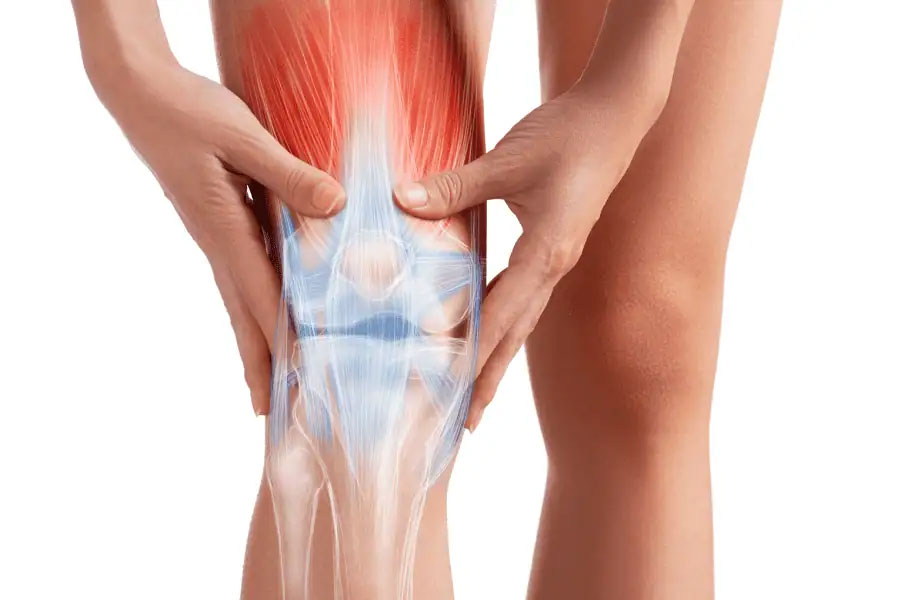
Osteoarthritis involves changes in cartilage, bone, and the joint lining. In some symptomatic knees, inflammation of the synovium is associated with increased small-vessel blood flow. GAE uses a catheter and imaging guidance to deliver microscopic particles to selected genicular artery branches with the goal of reducing this abnormal hypervascularity.
GAE is a symptom-management procedure. It does not rebuild cartilage, correct joint alignment, or treat every cause of knee pain. Imaging and clinical evaluation are needed before treatment.
During a typical GAE procedure:
- A small catheter is introduced through a puncture, commonly at the wrist or groin.
- Angiography identifies genicular artery branches associated with the painful area.
- Microscopic particles are delivered selectively to reduce abnormal blood flow.
- The catheter is removed and the access site is monitored before discharge.
Individual anatomy can make the procedure more complex. Careful technique is used to limit non-target embolization, but no procedure is risk-free.
Benefits of GAE
Potential advantages of GAE include a small catheter access site, outpatient treatment in many cases, and no surgical alteration of the knee joint. Some studies report improved pain and function in selected patients, while other sham-controlled research has not shown a benefit beyond the placebo response.
Important limitations:
- Results vary and pain relief is not guaranteed.
- GAE does not reverse arthritis or replace physical therapy and other joint-care measures.
- It may not help pain caused by instability, fracture, infection, referred pain, or another diagnosis.
- Additional treatment, including surgery, may still be needed.
Who Is a Candidate for GAE?
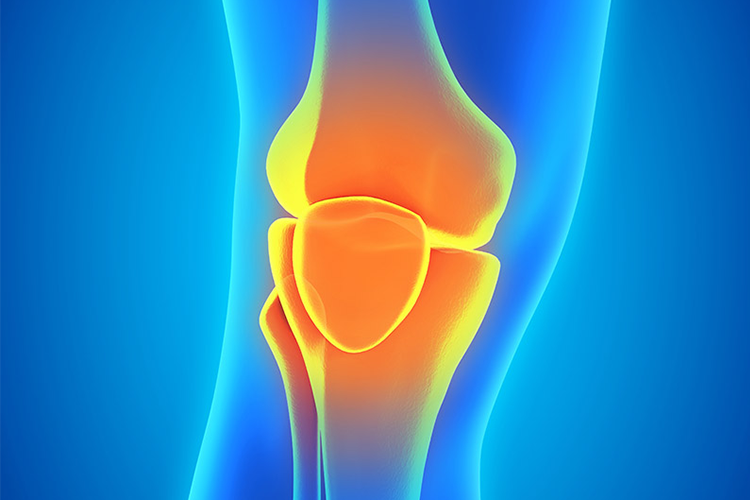
GAE may be considered for selected adults with imaging-confirmed knee osteoarthritis and persistent pain despite appropriate conservative treatment. Patient selection typically considers symptom pattern, physical examination, arthritis severity, vascular anatomy, medications, allergies, kidney function, and treatment goals.
GAE is not appropriate for every patient. A consultation with Dr. Nathanael Sabbah includes review of your history, prior treatments, and imaging. Coordination with an orthopedic, sports medicine, rheumatology, or primary-care clinician may be recommended.
What to Expect After GAE
Recovery instructions are individualized. Many patients are discharged after a period of observation, but driving, activity, medication, and wound-care restrictions depend on the access site, sedation, and medical history.
Temporary access-site soreness, bruising, fatigue, or a short-term pain flare may occur. Improvement, when it occurs, is usually assessed over weeks to months rather than immediately. Some patients do not improve. Contact the treating team promptly for worsening pain, fever, drainage, color change, numbness, or other concerning symptoms.
Take the Next Step Toward Relief
Persistent knee pain can affect work, sleep, exercise, and daily activities. A careful diagnosis is the first step because knee pain can come from osteoarthritis, injury, inflammatory disease, referred pain, or another condition.
If conservative treatment has not provided adequate relief, a consultation can help determine whether GAE should be considered alongside other options. Call (310) 929-0026 or use the appointment form to contact SoCal Interventional.
Frequently Asked Questions
Is GAE surgery?
GAE is a minimally invasive catheter procedure, not open knee surgery. It does not remove or replace the joint.
How long does the procedure take?
Procedure and recovery-room time vary with anatomy and medical needs. Your physician will provide an individualized estimate.
Will GAE prevent knee replacement?
GAE does not reverse osteoarthritis and cannot guarantee that knee replacement will be avoided or delayed. It generally does not prevent later orthopedic treatment.
What are the risks?
Potential risks include bruising or bleeding at the catheter site, temporary skin discoloration, pain flare, contrast reaction, kidney injury, infection, nerve or skin injury, radiation exposure, and rare non-target embolization. Your physician will review risks specific to you.
How strong is the evidence?
Evidence is evolving and mixed. A 2022 sham-controlled trial reported benefit in selected patients, while a 2024 randomized sham-controlled trial did not find a clinical effect beyond sham treatment. A 2025 systematic review concluded that short-term relief may occur in selected patients but emphasized the need for more rigorous research.
Schedule Your Consultation
Request a consultation to discuss persistent knee osteoarthritis pain and whether genicular artery embolization or another treatment may be appropriate. Call (310) 929-0026.
Request Appointment
Contact Information
- 15211 Vanowen St, Suite 305, Van Nuys, CA 91405
- 18370 Burbank Blvd, 5th Floor, Tarzana, CA 91356
- 16100 Sand Canyon Ave, Suite 130 Irvine, CA 92618
- (310) 929-0026
- info@uroir.com
- Monday - Friday: 8:00 AM - 5:00 PM
Insurance Information
We accept most PPO plans, Medicare, self-pay, and some IPA plans.
Please contact our office to verify coverage.
Frequently Asked Questions
GAE is a minimally invasive catheter procedure that reduces selected abnormal blood flow associated with inflammation in an osteoarthritic knee. It does not rebuild cartilage or cure arthritis.
Improvement, when it occurs, is generally evaluated over weeks to months. The timing and degree of response vary, and some patients do not improve.
Risks can include access-site bruising or bleeding, pain flare, temporary skin discoloration, contrast reaction, kidney injury, infection, nerve or skin injury, radiation exposure, and rare non-target embolization.
No. GAE is a symptom-management option for selected patients and does not reverse osteoarthritis. Some patients may still need orthopedic treatment or knee replacement.
Call SoCal Interventional at (310) 929-0026 or submit the appointment form. A consultation is required to determine candidacy.
Areas We Serve:
We serve patients in Van Nuys, Tarzana, and Irvine and welcome consultation requests from surrounding Southern California communities, including Reseda, Santa Monica, Pasadena, Beverly Hills, Long Beach, Newport Beach, Laguna Beach, Manhattan Beach, Riverside, Santa Clarita, Calabasas, Simi Valley, Tustin, Lake Forest, Mission Viejo, and Woodland Hills. Availability and candidacy are confirmed during scheduling and clinical evaluation.